Basement Waterproofing NJ for Historic Homes and Aging Foundations

New Jersey has no shortage of older houses with basement problems that are easy to underestimate from the sidewalk. A home can have beautiful original brick, stone steps worn smooth by a century of use, and trim details nobody builds anymore, while below grade the foundation is slowly taking on water every time the ground saturates. With historic homes and aging foundations, waterproofing is rarely about one dramatic failure. More often, it is about a long pattern of moisture intrusion, seasonal movement, deferred repairs, and materials that behave very differently from modern poured concrete.
That distinction matters. A 1920s fieldstone foundation in Montclair, a brick rowhouse basement in Jersey City, and an 1890s home with a rubble foundation in Hunterdon County do not respond to water the same way as a suburban concrete basement built in the 1990s. The methods, the risks, and the right expectations all change. Homeowners searching for Basement Waterproofing NJ services often assume the fix is universal. In practice, the correct approach starts with understanding the age of the house, the type of foundation, the surrounding soil, and the path water is taking to get in.
Historic homes are particularly unforgiving when someone applies a one-size-fits-all repair. A product or method that works well on modern concrete can trap moisture in old masonry, accelerate mortar deterioration, or hide a structural issue that should have been addressed first. That is why older basements reward careful diagnosis and punish shortcuts.
Why old New Jersey basements behave differently
Many aging foundations were built with materials meant to manage moisture, not exclude it completely. Stone, brick, and lime-based mortar are vapor permeable. They absorb and release moisture over time. That does not mean a wet basement is acceptable, but it does mean the wall assembly was not designed to function like a watertight concrete tank.
In older parts of New Jersey, you often see a mix of foundation types even on the same block. One house may have thick stone walls with irregular joints. The neighboring property may have early concrete block. Another may have brick foundation walls with a thin parge coat that has flaked off after decades of salts migrating to the surface. Each system ages in its own way.
Water pressure from outside soil is only part of the story. Historic basements also struggle with capillary moisture rising through masonry, condensation from humid summer air, deteriorated mortar joints, shallow or missing footings, and changes made over the years that upset how the house originally shed water. I have seen plenty of basements made significantly worse by well-meaning updates: cement patching over soft lime mortar, new patios pitched toward the foundation, downspouts tied into failing clay drains, and finished walls installed over active seepage.
When homeowners say, “The basement was always a little damp, but now it smells musty and the paint is peeling,” that usually points to a system under cumulative stress rather than a sudden isolated leak.
The most common water entry points in older foundations
In historic homes, water rarely enters through one clean crack the way it often does in newer poured walls. The entry points are more dispersed and more subtle. Moisture may seep through mortar joints, migrate through porous stone, rise where the wall meets the slab, or appear around old utility penetrations that were never properly sealed.
The cove joint, where the basement floor meets the wall, is a familiar trouble spot in New Jersey homes with high seasonal groundwater. Hydrostatic pressure builds below the slab and forces water up at the perimeter. In a house with a very old floor, sometimes a thin slab or even a patchwork of older concrete sections, that pressure can show up as damp rings, efflorescence, or actual water during storms.
Window wells are another weak point, especially in neighborhoods where grade has changed over time. Mulch, settlement, and repeated landscaping projects can raise soil levels until a basement window that was once safe becomes vulnerable. Add clogged gutters or a short downspout, and heavy rain can dump a surprising amount of water right against the opening.
Then there are the invisible contributors. A hairline grading issue across one side yard may not look like much, but over months or years it can keep soil consistently wetter along the foundation. In freeze-thaw cycles, common in New Jersey winters, that extra moisture expands, contracts, and slowly opens pathways for more intrusion.
What “waterproofing” really means for a historic home
For older houses, real waterproofing is usually a system, not a product. It combines water management, material compatibility, and structural judgment. Anyone promising that one coating, one crack injection, or one interior patch will solve every moisture problem in a 100-year-old basement is oversimplifying.
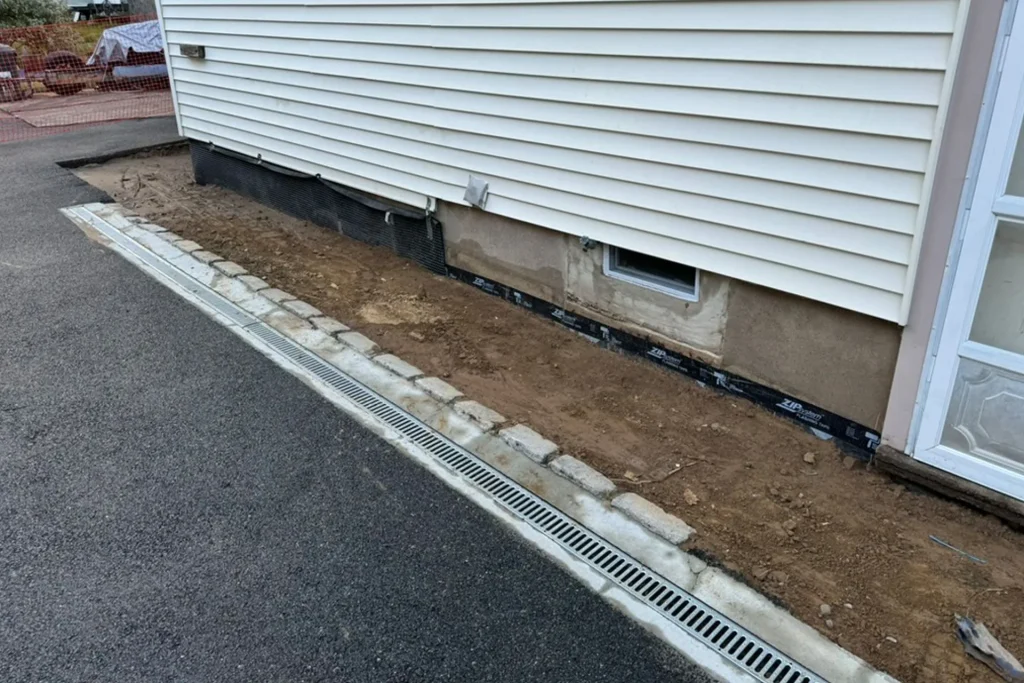
The work often begins outside. If roof runoff is being discharged near the house, if grading is back-pitched, or if a front stoop funnels water toward the wall, those issues should be corrected before anyone claims success with interior methods. Exterior water management is the first line of defense because it reduces the volume of water that reaches the foundation at all.
At the same time, older homes do not always lend themselves easily to full exterior excavation. Urban lots may have no access for equipment. Mature landscaping, porches, historic hardscape, shared walls, or neighboring structures can make excavation disruptive and expensive. Sometimes the best result comes from a hybrid approach: improve exterior drainage where possible, then install an interior water management system that relieves pressure and controls any remaining intrusion.
That is where experienced Basement Waterproofing NJ contractors separate themselves from generalists. They know when a problem is primarily drainage-related, when it is pressure-driven, and when the foundation itself needs repointing or stabilization before waterproofing can succeed.
The danger of the wrong mortar, coating, or patch
This is one of the most overlooked issues in historic basements. Old masonry needs repair materials that are compatible with the original construction. If the wall was built with softer brick or stone and lime-rich mortar, hard modern cement can create stress points. Instead of allowing the mortar to sacrificially weather, moisture gets trapped and the masonry units begin to suffer.
I have seen old stone walls where every joint was smeared with a dense surface cement. For a few seasons, it looked tidy. Then the coating began to separate, salts built up behind it, and the stone faces started spalling. The repair did not just fail, it accelerated deterioration.
Interior waterproof paints can create the same illusion of progress. On some basements they seem to help at first because the room looks brighter and drier. But if water pressure remains on the outside and the wall cannot dry properly, those coatings often blister or peel. The peeling is not the main problem. It is a symptom that the moisture path was never addressed.
Aging foundations reward breathable, compatible repairs. Repointing with an appropriate mortar, replacing damaged sections carefully, and allowing masonry to manage vapor while controlling bulk water outside is usually more durable than trying to force old materials to behave like new concrete.
Signs that the basement problem is deeper than surface dampness
Not every wet basement is a structural emergency, but some warning signs should change the tone of the conversation quickly. Horizontal cracking, significant bowing, step cracks in brick or https://erickpmhl063.rivertonbrief.com/posts/basement-waterproofing-nj-for-crawl-space-and-basement-moisture-control block, displaced stones, settlement near corners, and repeated mortar washout deserve careful evaluation. Waterproofing and structural repair often overlap in older homes, and treating one without understanding the other can waste money.
If a basement only gets damp during major storms and the walls are otherwise stable, the remedy may focus on drainage and pressure relief. If the walls show movement, or if seepage has been eroding joints for years, the strategy becomes more involved. Moisture is then part of a larger foundation preservation issue.
Homeowners also tend to miss the significance of persistent white residue on the wall. Efflorescence itself is not dangerous, but it tells you water is moving through the masonry and leaving mineral deposits behind. Over time, that movement can weaken mortar. Similarly, flaking paint, rotten base plates in finished basements, rusted metal columns, and a dehumidifier that runs constantly are clues that the environment below grade has been out of balance for a long time.
Interior systems, exterior systems, and where each makes sense
There is no single “best” method for every old house in New Jersey. The right answer depends on access, budget, historic sensitivity, and the exact source of water.
Exterior waterproofing is the closest thing to a direct barrier approach. When done correctly, it may include excavation to the footing, wall cleaning, repair of cracks or joints, waterproof membrane application, drainage board, and footing drain improvements. It can be highly effective because it keeps water from pressing directly against the wall. On the other hand, it is disruptive, often costly, and not always feasible on tight urban properties or around fragile historic features.
Interior drainage systems do something different. They do not stop water from reaching the wall. Instead, they manage it after it enters the wall or reaches the footing area. A typical setup involves a perimeter channel beneath the slab, a sump system, and controlled discharge away from the house. This approach often works well where hydrostatic pressure under the slab is the main culprit, or where exterior access is impractical.
For many aging basements, the smartest plan is staged. First reduce outside water load through gutters, downspout extensions, grading corrections, and targeted masonry repair. Then, if pressure remains high, add interior drainage and sump protection. This can provide a better cost-to-performance ratio than rushing into full excavation where conditions do not justify it.
Why sump pumps matter more in old basements than people think
Historic homeowners sometimes resist sump installations because they worry it means admitting the basement is inherently wet. In reality, a properly designed sump system is often what makes an older basement predictable. New Jersey gets intense rain events, and some neighborhoods have naturally high water tables or soils that drain poorly after storms. In those conditions, collecting and ejecting groundwater is practical, not cosmetic.
The details matter. A sump basin should be sized appropriately. The pump should be matched to expected volume and head height. There should be a reliable discharge path that does not dump water right back against the house. On homes where power outages coincide with storms, battery backup or water-powered backup deserves serious consideration. I have seen basements stay dry during ordinary rain and then flood badly during one summer outage because the primary pump could not run.
For finished or partially finished basements, a sump alarm is also worth having. It is a relatively small addition that can provide early warning before a minor issue becomes a cleanup project.
Moisture control above the slab is part of waterproofing too
Not every damp smell in an old basement comes from liquid water entering through the walls. New Jersey summers bring humid outdoor air, and when that air reaches a cool basement surface, condensation can form. Pipes sweat. Ductwork drips. Cardboard softens. The space feels wet even when no stormwater is entering.
That is why the best Basement Waterproofing NJ plans for older houses usually include environmental control inside the basement. Dehumidification, insulation choices, vapor-aware finishing methods, and air sealing around rim joists can dramatically change how the space performs. This is especially important if the homeowner wants storage, a laundry area, or a finished room downstairs.
A common mistake is to finish a historic basement too tightly without first solving bulk moisture and humidity. Drywall, wood trim, carpet, and fiberglass batts can turn a manageable dampness issue into hidden mold and material damage. If the basement will be used regularly, the assembly needs to tolerate some moisture exposure and allow inspection where possible.
What homeowners should expect during a proper evaluation
A serious evaluation is rarely rushed. The contractor should want to know when the problem occurs, whether it is seasonal, how long the house has had the issue, and what has already been tried. They should inspect not just the basement walls, but also gutters, grading, hardscape, window wells, and discharge points outside.
They should also pay attention to foundation type. A poured concrete wall with one active crack calls for a different conversation than a 19th century stone wall with eroded joints and a dirt-floor crawl section under an addition. If the house has had multiple additions over decades, each segment may behave differently and need a tailored solution.
A good assessment usually covers these points:
- Where the water is entering, or where pressure is building
- Whether the issue is primarily drainage, material deterioration, structural movement, or a combination
- Which repairs are urgent versus which are preventive
- How the proposed method interacts with historic materials
- What realistic maintenance the homeowner should expect afterward
If the proposal skips diagnosis and jumps straight to a standard package, that is a warning sign.
Budget realities and the cost of delay
Older basements can become expensive, but delay usually costs more than planning. A small seepage issue may be manageable with drainage corrections and selective repairs. Left alone for years, that same problem can contribute to mortar loss, wood rot, damaged finishes, and reduced air quality in the living space above.
Costs vary widely in New Jersey because access, foundation type, and scope vary widely. A modest drainage correction and dehumidification setup is one category. An interior perimeter system with sump is another. Full exterior excavation around a historic home with masonry restoration is in a completely different tier. What matters most is not chasing the cheapest line item, but avoiding mismatched work that fails and has to be redone.
Homeowners sometimes spend money in the wrong sequence. They paint walls, replace flooring, install shelving, or finish a basement before the water issue is controlled. Then those improvements have to come back out. It is far more economical to solve the moisture problem first, even if the basement remains visually plain for a while.
Preserving the character of the house while making it drier
One concern unique to historic homes is preserving appearance and original materials. Waterproofing should not force a false choice between function and character. With careful planning, you can improve basement performance without stripping the house of what makes it special.
That might mean repointing stone with appropriate mortar instead of covering it with an impermeable coating. It might mean adjusting grade subtly rather than replacing every exterior feature. It might mean choosing an interior drainage solution because the façade, front walk, or mature plantings would be too disruptive to excavate. Good work respects the building as a whole.
There is also a psychological benefit when owners understand what “dry” means for an older basement. In a modern sense, bone-dry concrete and fully conditioned air may be achievable in some homes, but not all, at least not without major expense. The practical target is often a basement that stays free of standing water, protects structure and stored items, controls humidity, and does not support mold or chronic mustiness. That is a meaningful improvement and, in many historic houses, the right one.
Choosing a contractor for Basement Waterproofing NJ work on an older home
Historic foundations expose inexperience quickly. This is not the place for vague promises or generic sales scripts. Homeowners should look for a contractor who can explain not just what they want to install, but why it suits the specific house. They should be comfortable discussing stone, brick, lime mortar, hydrostatic pressure, drainage patterns, and the limitations of different repair methods.
It also helps when the contractor can show familiarity with New Jersey housing stock. Moisture problems in a brownstone-style basement in the northeast part of the state do not present exactly like those in a detached old home farther west or south. Soil, lot layout, density, and stormwater behavior all shape the solution.
A strong contractor is usually candid about trade-offs. They will tell you if an interior system manages water rather than stopping it at the wall. They will explain that repointing alone may not solve a groundwater issue. They will point out when a structural engineer or mason should be involved. That honesty tends to produce better long-term outcomes than a simple “we can waterproof anything” pitch.
The long view for aging foundations
Basement waterproofing in an old New Jersey home is as much about stewardship as repair. These houses were built with durable materials, but durability is not the same as invulnerability. Water exploits small weaknesses patiently. It follows gravity, pressure, and the easiest path available. Once you understand how it is moving through or around a historic foundation, the right response becomes much clearer.
The best results usually come from layered thinking: reduce water at the roofline and grade, respect old masonry, relieve hydrostatic pressure where needed, control interior humidity, and monitor the basement through seasons. That approach is less flashy than miracle coatings or fast patch jobs, but it is far more dependable.
For homeowners dealing with chronic seepage, musty air, flaking walls, or periodic flooding, the important step is not to panic, and not to settle for generic advice. Historic homes and aging foundations deserve a solution matched to how they were built and how they have weathered over time. When Basement Waterproofing NJ work is done with that level of care, an old basement can become far drier, healthier, and more stable without sacrificing the character that made the house worth preserving in the first place.
ARD Waterproofing
Address: 98 Smull Ave, West Caldwell, NJ 07006
Phone number: +12016465936
FAQ About Basement Waterproofing NJ
What is the best waterproofing method for a basement?
The best overall approach to waterproofing a basement is a combined exterior and interior system that stops water at the foundation wall and safely manages any moisture that gets through.
What is the average cost to waterproof a basement?
The average cost to waterproof a basement ranges from $2,500 to $15,000, with most homeowners paying around $5,200 for a complete project.
Can a basement be waterproofed from the inside?
Yes, a basement can be waterproofed from the inside, and it is often the most affordable and least disruptive method.