How Basement Waterproofing NJ Helps Protect Electrical and HVAC Systems
A wet basement rarely stays a basement problem for long. Moisture moves, materials absorb it, metal corrodes, insulation loses performance, and mechanical systems begin to age faster than they should. In New Jersey homes, where older housing stock meets heavy rain, coastal humidity, clay soils, and freeze-thaw cycles, basement moisture often becomes the quiet cause behind electrical failures and HVAC inefficiency.
Homeowners usually notice the obvious signs first. There may be a damp smell after a storm, a ring of efflorescence on the block wall, rust on the base of the furnace, or a dehumidifier that never seems to shut off. What they do not always see is the chain reaction. Water intrusion in the basement changes the environment around wiring, service panels, condensate drains, air handlers, ductwork, controls, and fuel-burning equipment. That shift can shorten equipment life, create safety hazards, and turn a manageable repair into a much larger expense.
This is where Basement Waterproofing NJ matters in a practical way. It is not just about keeping storage bins dry or making the lower level more usable. Good waterproofing protects the systems that keep the house safe, heated, cooled, ventilated, and powered.
Why basements put mechanical systems at risk
In many New Jersey homes, the basement houses the most critical equipment in the building. That includes the main electrical panel, branch circuits, receptacles, cable runs, furnaces, boilers, water heaters, air handlers, condensate pumps, and sometimes whole-home humidity equipment. When moisture enters that space, every one of those components operates in a harsher environment.
Some risk comes from direct water contact. Flooding can submerge the lower sections of appliances, wick into insulation, and damage motors, relays, and ignition controls. But more often, the problem is chronic dampness rather than standing water. Relative humidity stays high for months. Cool foundation walls condense moisture from the air. Minor seepage during storms keeps the slab and lower wall damp. That persistent moisture is enough to corrode terminals, swell materials, and encourage mold growth on nearby framing and insulation.
I have seen basements where the homeowner was convinced the furnace had simply reached old age. The unit was only about twelve years old, which is not unusual for replacement but not automatically failure territory either. The real issue was the environment around it. The return plenum had rusted early, the control board showed corrosion, and the blower compartment had been breathing damp, dirty air from an unfinished basement for years. Waterproofing and drainage corrections would not have made that furnace new again, but they would have slowed the wear significantly.
Moisture and electrical systems do not mix, even without a flood
Electrical damage in a wet basement is sometimes dramatic, but it is often subtle first. Corrosion starts at exposed lugs, grounding connections, wire terminations, switches, and receptacles. Even low levels of moisture can oxidize metal contacts. That oxidation increases resistance, and increased resistance means heat. Heat at a bad connection is never a small matter.
A service panel located on a damp wall or in a basement with repeated humidity spikes may develop rust on the cabinet and corrosion on bus bars or breakers. Not every rust spot means immediate replacement, but every sign of moisture around electrical gear deserves careful evaluation by a licensed electrician. Once water has entered a panel, the reliability of breakers becomes harder to trust. That is especially true if there has been actual flooding.
Basement receptacles and extension use create another problem. When homeowners fight dampness with portable fans, dehumidifiers, or temporary sump pumps, cords and plugs often end up near wet surfaces. GFCI protection helps, but it does not erase the hazard created by repeated exposure to water, condensation, or splash.
There is also the issue of hidden wiring paths. Moisture migrates through masonry and can enter wall cavities or sill areas where cable runs pass. In older homes, improvised splices, aging insulation, and previous homeowner work compound the risk. Waterproofing will not correct poor wiring practices, but it reduces the damp conditions that make those weak points more dangerous.
HVAC equipment suffers in ways homeowners do not expect
Heating and cooling equipment reacts badly to water in both obvious and less obvious ways. Furnaces, boilers, and air handlers are built to manage some moisture internally. Air conditioners produce condensate. High-efficiency furnaces vent moisture in controlled ways. That is very different from sitting in a basement that holds elevated humidity day after day.
The first thing moisture attacks is metal. Cabinet bases rust. Burner compartments corrode. Ductwork develops surface oxidation that can become more serious over time, especially at seams and lower horizontal runs close to the floor. If the basement serves as part of the return air path, which is common in older homes and not always ideal, the system may pull damp basement air into the equipment. That raises the latent load on the cooling system and leaves the house feeling clammy even when the thermostat says the temperature is fine.
Moisture also affects airflow and insulation. Wet or damp duct insulation loses effectiveness. Fiberglass around supply trunks can compress or grow mold if it stays moist. Flex duct in basement ceilings can sag and collect condensation if surrounding humidity is high enough. None of this usually fails all at once. It degrades performance slowly, which is why homeowners often describe the system as running longer, feeling weaker, or struggling during extreme weather.
For boilers and water heaters, basement wetness can shorten life at the base where corrosion often starts. Burners and controls on gas-fired appliances also need clean, dry operating conditions. Standing water, high humidity, and poor drainage create exactly the opposite.
New Jersey conditions make the problem more persistent
The reason this issue comes up so often in New Jersey is not just one thing. It is the combination.
A large part of the state has older homes with basements that were never designed to stay fully dry by modern expectations. Some foundations are stone, some are block, many have aging parging, cracked mortar joints, or exterior drainage that no longer performs well. Add a season of heavy rain, snowmelt, and summer humidity, and the basement stays under pressure from multiple directions.
Coastal and near-coastal areas deal with humid air that keeps basement drying rates low. Inland areas often face runoff issues from grading, compacted soil, or clogged footing drains. In neighborhoods with mature trees and older hardscaping, root movement and settled walkways can direct more water toward the foundation than homeowners realize. Even homes that never take on inches of water may live with constant moisture vapor, which is enough to affect electrical and HVAC systems over time.
That is why Basement Waterproofing NJ is best viewed as building-system protection, not cosmetic work. It addresses the environment that surrounds the home’s critical infrastructure.
What waterproofing actually changes around your equipment
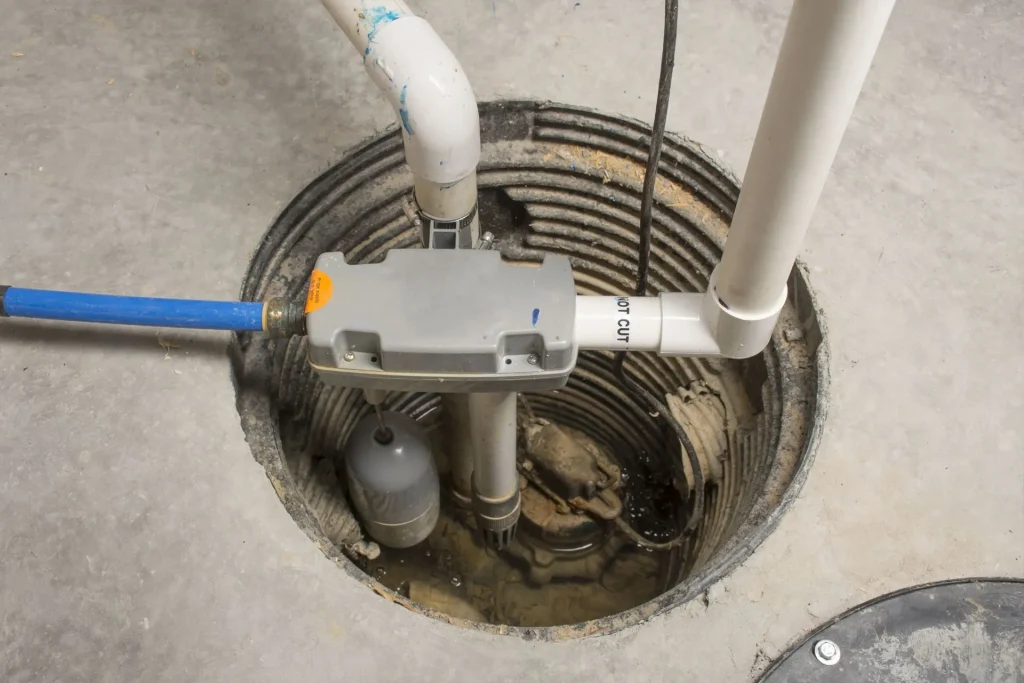
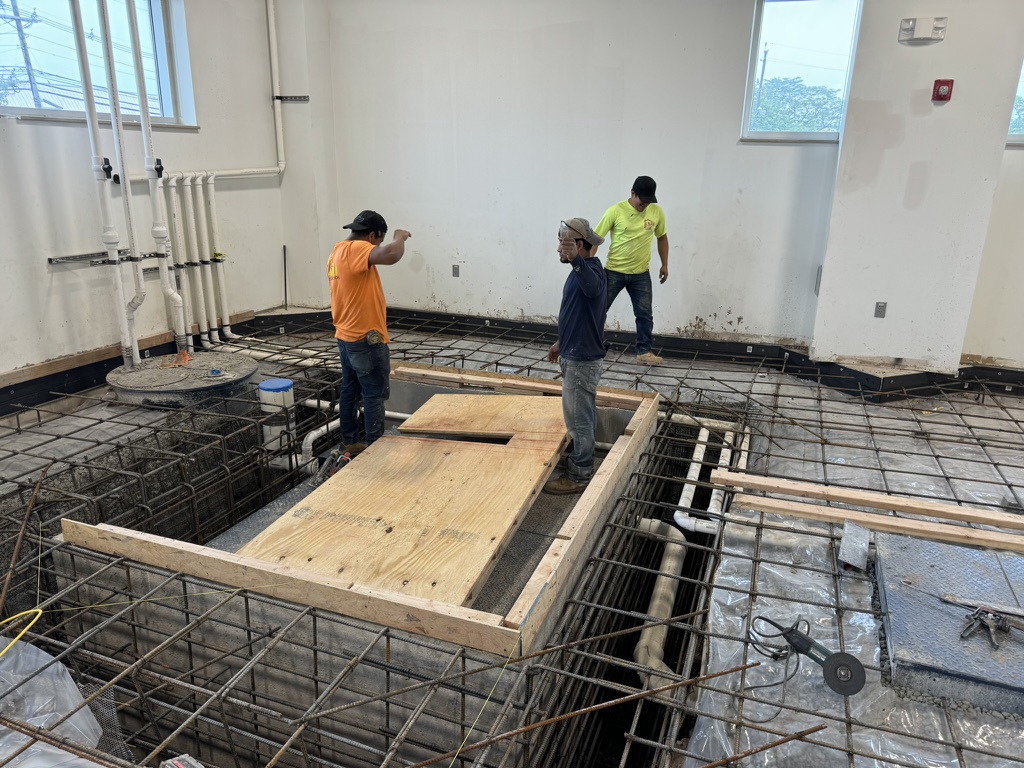
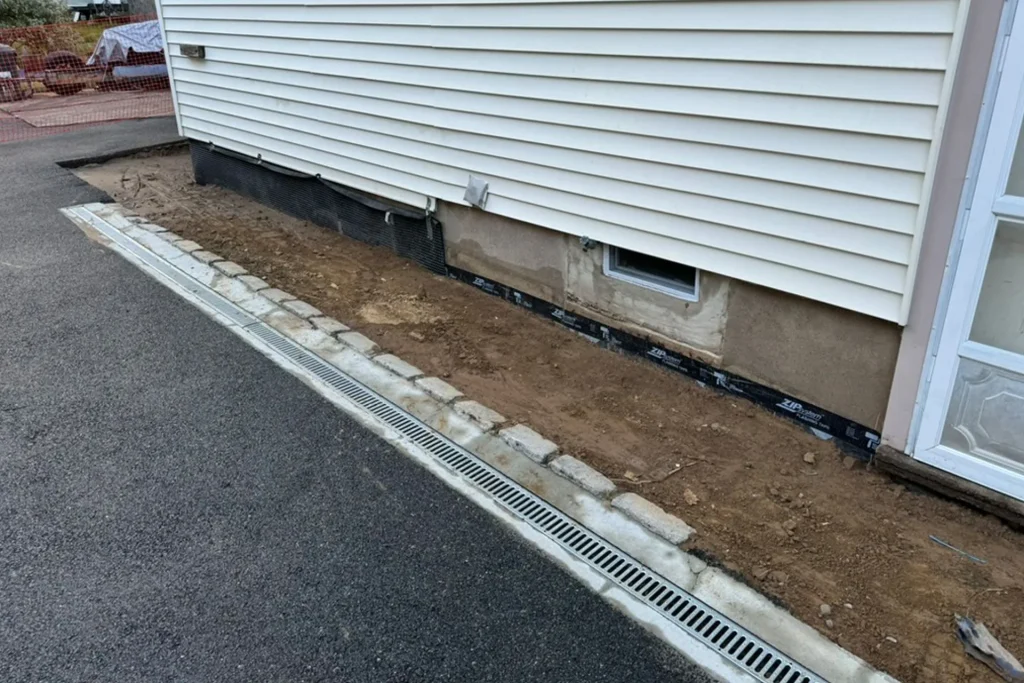
When waterproofing is done properly, the goal is controlled water management. Depending on the house, that can involve interior drainage, sump systems, vapor barriers, crack repair, exterior excavation, membrane application, grading corrections, gutter and downspout improvements, or some combination of these. The exact method matters less than the result, which is a basement that stays substantially drier and more stable through weather shifts.
That stable environment helps electrical and HVAC systems in several concrete ways.
First, lower ambient humidity reduces corrosion. Metal components last longer when they are not cycling through damp and dry conditions every week. Electrical terminations, furnace housings, duct seams, and support hardware all benefit.
Second, controlled water entry protects equipment bases and lower components from direct contact. Even a small amount of repeated seepage across the slab can rust out the bottom of an appliance cabinet or damage low-mounted controls.
Third, drier air improves HVAC performance. Air conditioners remove moisture, but they are not designed to compensate for a chronically wet basement feeding humidity into the house. When the lower level is controlled, the system can focus on conditioning occupied spaces rather than fighting hidden moisture loads.
Fourth, waterproofing reduces mold and biological growth around ductwork, framing, and insulation. That matters for air quality and for the cleanliness of the mechanical room itself.
Fifth, service and maintenance become safer and more reliable. Technicians working around dry floors, dry walls, and stable humidity can inspect, repair, and test equipment with fewer complications.
The most common warning signs near electrical and mechanical equipment
Some of the clearest red flags are visible if you know where to look. Homeowners do not need to diagnose the problem themselves, but they should know what deserves prompt attention.
- Rust at the bottom of a furnace, boiler, water heater, or air handler
- White mineral staining on foundation walls near the panel or duct runs
- Condensation on ducts, pipes, or the electrical panel cover
- Musty odors that intensify after rain or humid weather
- A dehumidifier that fills rapidly or runs almost nonstop
Any one of these can have more than one cause, but together they often point to a basement moisture problem that is already affecting building systems.
The cost of delay is usually hidden at first
Waterproofing often gets postponed because the basement still seems usable. The floor may dry after a day or two. The HVAC system still runs. The lights still work. That is what makes delay expensive. Most moisture damage begins as accelerated wear, not immediate failure.
A corroded electrical connection may sit unnoticed until a breaker trips under load. A damp control board may work intermittently for months before failing during the first cold week of winter. Duct rust may start as surface staining and end as air leakage and insulation replacement. A sump pump plugged into a questionable receptacle may do its job for years, until the exact storm arrives when it does not.
There is also a compounding effect with energy use. A humid basement can make an entire house less comfortable. Cooling costs rise because the system spends more time removing moisture. Heating systems can lose efficiency when burners, blowers, and heat exchangers operate in dirty, damp conditions. Those monthly utility increases are easy to miss because they do not announce themselves as a waterproofing issue.
Waterproofing and HVAC should be considered together
One mistake I see is treating waterproofing and mechanical work as unrelated trades. They are different trades, certainly, but the best outcomes come when the whole basement is evaluated as one environment.
A contractor addressing water intrusion should notice where the panel is, where the air handler sits, whether condensate drains properly, and whether ductwork is sweating. An HVAC professional should notice efflorescence on walls, rust patterns on nearby steel, and persistent humidity that cannot be explained by cooling load alone. Electricians should ask whether the basement has had seepage or flooding before replacing a panel or adding circuits.
This cross-awareness matters because the fixes influence each other. If an interior drainage system is installed, equipment placement may need to be adjusted. If a sump pit goes in, the electrical supply for the pump must be safely planned. If a vapor barrier is added and air sealing improves, the dehumidification strategy may change. If the mechanical room has been using basement air as a return pathway, it may be time to rethink that design.
Repairs that may be necessary after water exposure
Once water has reached electrical or HVAC equipment, do not assume drying it out is enough. Some components can be cleaned and evaluated. Others should be replaced for safety or reliability reasons. The correct decision depends on what got wet, how high the water rose, how long exposure lasted, and the equipment type.
Here is where professionals usually draw the line:
- Submerged electrical panels, breakers, receptacles, and switches typically need replacement rather than hopeful reuse
- Gas appliance controls, igniters, blower motors, and low-mounted electronics often require inspection and replacement if exposed to water
- Duct insulation that has been soaked usually performs poorly afterward and may need removal
- Flooded condensate pumps, low-voltage controls, and transformers are frequent failure points
- Corroded equipment cabinets may remain serviceable for a time, but deep rust at structural or safety-critical points changes that judgment
The key is not to rely on appearances. Equipment can look dry and still be compromised internally.
Good waterproofing is not just an interior drain and a prayer
Homeowners sometimes hear “waterproofing” and think only of one interior product or one coating on the wall. In practice, the right solution depends on how water is getting in and what the basement environment needs to protect.
A painted wall coating may help with minor vapor transmission, but it will not solve hydrostatic pressure or poor exterior drainage. An interior drain can relieve water at the perimeter, but if gutters dump near the foundation and grading pitches inward, the basement will remain under unnecessary stress. A dehumidifier can improve comfort, but it is not a substitute for controlling liquid water entry.
The best Basement Waterproofing NJ work usually starts with diagnosis. Where does water appear first? During heavy rain only, after snowmelt, or all summer long? Does the moisture show at wall-floor joints, through cracks, at bulkhead doors, around utility penetrations, or as general condensation? How close are downspouts to the house? Is there a history of sump failure? Are there signs of previous panel or furnace exposure?
When the diagnosis is right, the fix tends to hold. When it is wrong, homeowners end up stacking temporary measures on top of one another and still living with damp air around sensitive systems.
A realistic example from a typical older home
Consider a 1950s New Jersey colonial with an unfinished basement, a gas furnace, a 40-gallon water heater, and the main electrical panel mounted on a painted block wall. The owners notice a musty smell every July and a small amount of water at one corner during heavy fall rain. Nothing dramatic. They run a portable dehumidifier and empty it twice a day on humid weekends.
Over several years, https://maps.app.goo.gl/C7R83h4BFVWygmYv7 the bottom of the furnace cabinet begins to rust. The return duct draws basement air through gaps. The panel cover shows light corrosion on a few screws. One basement receptacle trips occasionally. Cooling bills climb, but not enough to trigger alarm.
A proper evaluation finds three contributing causes. The rear downspout discharges too close to the foundation. The patio pitches slightly toward the house. The block wall has minor seepage and the basement humidity stays high because the space never fully dries. Waterproofing includes downspout extensions, drainage correction at the patio edge, crack and joint treatment, an interior perimeter drainage section at the problem wall, and a sump with battery backup. The owners also replace failing duct insulation, seal return leaks, and have an electrician address the affected receptacle and inspect the panel.
The result is not glamorous, but it is effective. Humidity stabilizes. The musty smell fades. The HVAC system runs more normally. Service calls become less frequent. Most important, the home’s critical systems are no longer sitting in an environment that quietly attacks them.
Choosing the right contractor for system protection
If the basement contains your primary electrical and mechanical systems, the cheapest waterproofing bid is rarely the best one. You want a contractor who understands that keeping the basement dry is tied directly to safety, equipment lifespan, and house performance.
Ask how they identify the source of moisture, not just what product they install. Ask whether they account for equipment location, service access, and utility penetrations. Ask what happens to condensate lines, sump discharge, and nearby circuits. If a proposal treats the problem like every basement is identical, that is a warning sign.
It also helps to coordinate trades. Waterproofing contractors, HVAC technicians, and electricians do not need to work at the same time, but they should not work in isolation. A dry basement is most valuable when the surrounding systems are inspected and corrected where needed.
Protecting the systems that protect the house
Basement moisture has a way of hiding in plain sight. A little seepage, some humid air, a bit of rust, and a dehumidifier humming in the corner can all feel manageable. But the basement is often where the home’s most important systems live. When that environment stays wet, those systems absorb the cost.
Basement Waterproofing NJ helps by changing the conditions around electrical and HVAC equipment before wear turns into failure. It reduces corrosion, lowers humidity, protects controls, improves efficiency, and makes the home safer to operate and maintain. For many New Jersey properties, that is the real value of waterproofing. It is not only about dry concrete. It is about preserving the machinery and infrastructure that keep the rest of the house functioning every day.
ARD Waterproofing
Address: 98 Smull Ave, West Caldwell, NJ 07006
Phone number: +12016465936
FAQ About Basement Waterproofing NJ
What is the best waterproofing method for a basement?
The best overall approach to waterproofing a basement is a combined exterior and interior system that stops water at the foundation wall and safely manages any moisture that gets through.
What is the average cost to waterproof a basement?
The average cost to waterproof a basement ranges from $2,500 to $15,000, with most homeowners paying around $5,200 for a complete project.
Can a basement be waterproofed from the inside?
Yes, a basement can be waterproofed from the inside, and it is often the most affordable and least disruptive method.